
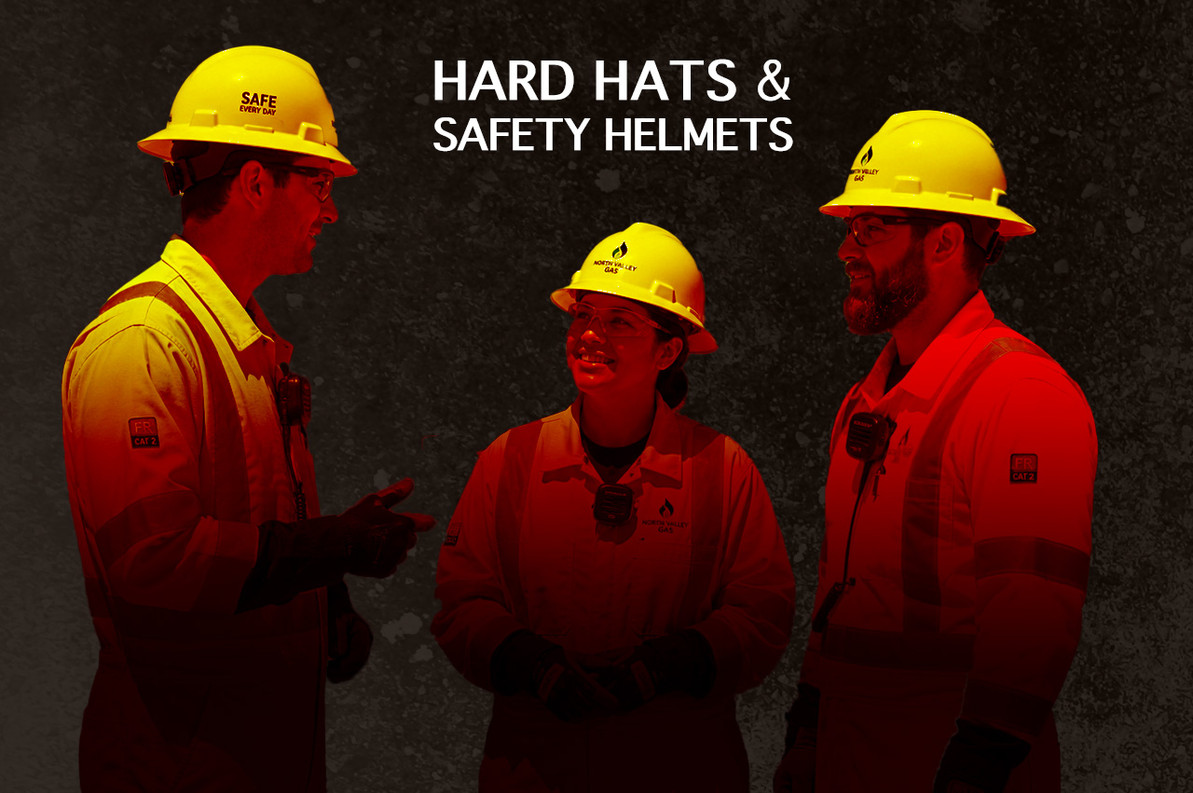
A Guide to Hard Hats, Safety Helmets, and Accessories
Keeping Workers Safer: A Guide to Hard Hats, Safety Helmets, and Accessories
Head injuries remain one of the most preventable causes of serious workplace incidents — and one of the easiest to guard against with the right gear. Whether your crew is framing a building, climbing a tower, working live electrical panels, or navigating a confined space, the head protection you choose has to match the specific hazards on site. Below is a practical look at how modern hard hats and safety helmets work, what separates a basic hard hat from a climbing-rated safety helmet, and which products at Safe-Fast fit which jobs.
Why Head Protection Standards Matter
In the U.S., hard hats and safety helmets sold for industrial use are built and tested to ANSI/ISEA Z89.1, the standard that governs impact resistance, penetration resistance, and electrical insulation class. OSHA requires head protection under 29 CFR 1910.135 anywhere workers face falling or flying objects, or electrical shock and burn hazards. Within Z89.1, helmets are further classified:
- Type I — protects against impact to the top of the head
- Type II — protects against impact to the top and sides of the head (important for the newer climbing-style helmets discussed below)
- Class G (General) — tested to 2,200 volts, for general-purpose work
- Class E (Electrical) — tested to 20,000 volts, for utility and electrical trades
- Class C (Conductive) — no electrical protection, typically lightweight vented designs for non-electrical environments
Knowing which Type and Class a job requires is the first step in choosing the right helmet — and it's worth checking before you buy on price or color alone.
Traditional Hard Hats vs. Climbing-Style Safety Helmets
The biggest shift in head protection over the last several years is the move from the classic "hard hat" shape toward climbing-style safety helmets with chin straps and 360-degree impact protection. Safe-Fast carries both categories, and the difference matters:
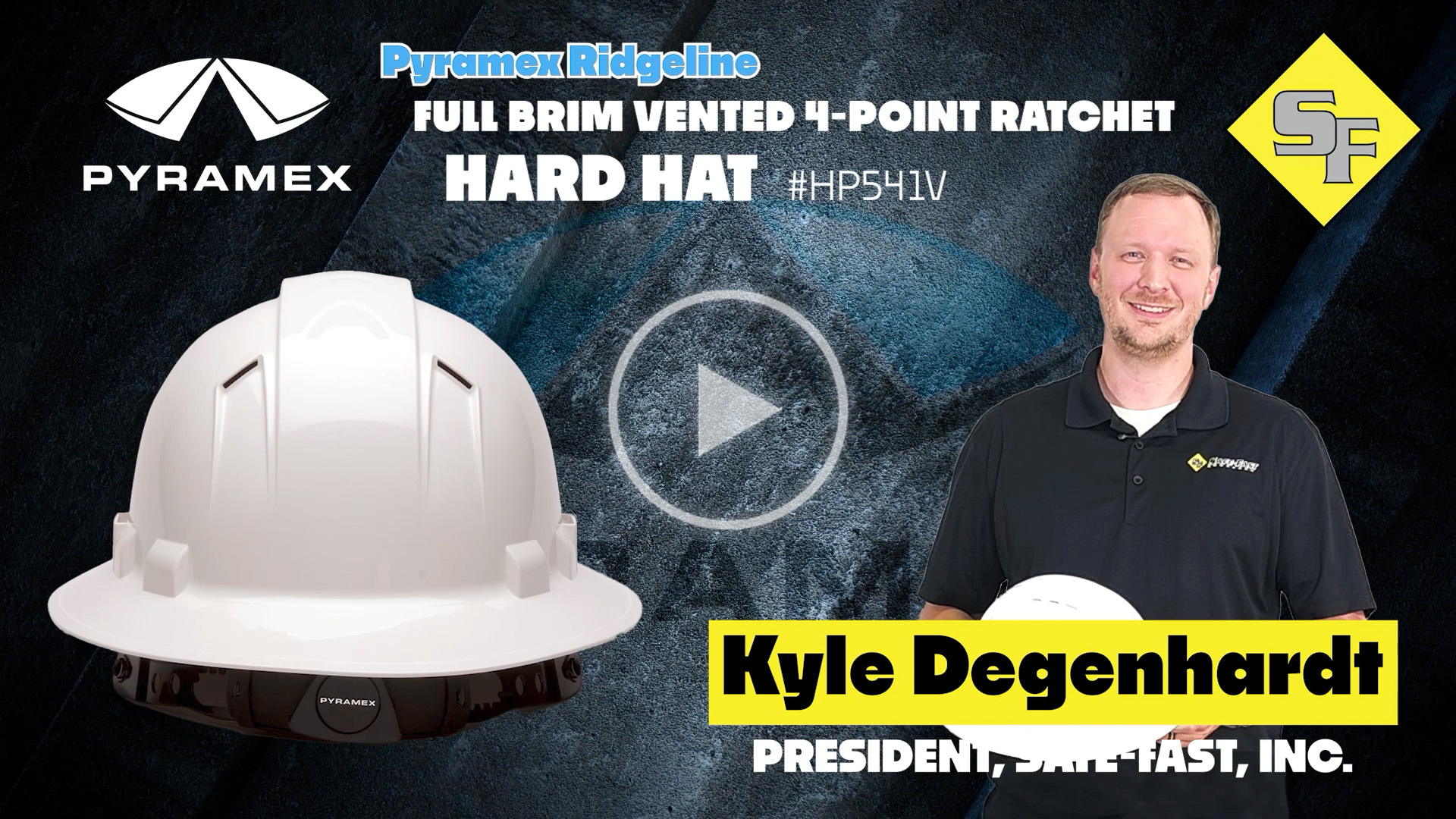
 Classic hard hats, like the Pyramex Ridgeline series, use the familiar cap-style shell with a 4-point ratchet suspension. The Ridgeline line is built from lightweight ABS material and is available in vented and non-vented versions, full-brim and cap-style profiles, and standard or hi-viz colors — with vented models running air channels at the top and rear of the shell to keep workers cooler during long shifts outdoors.
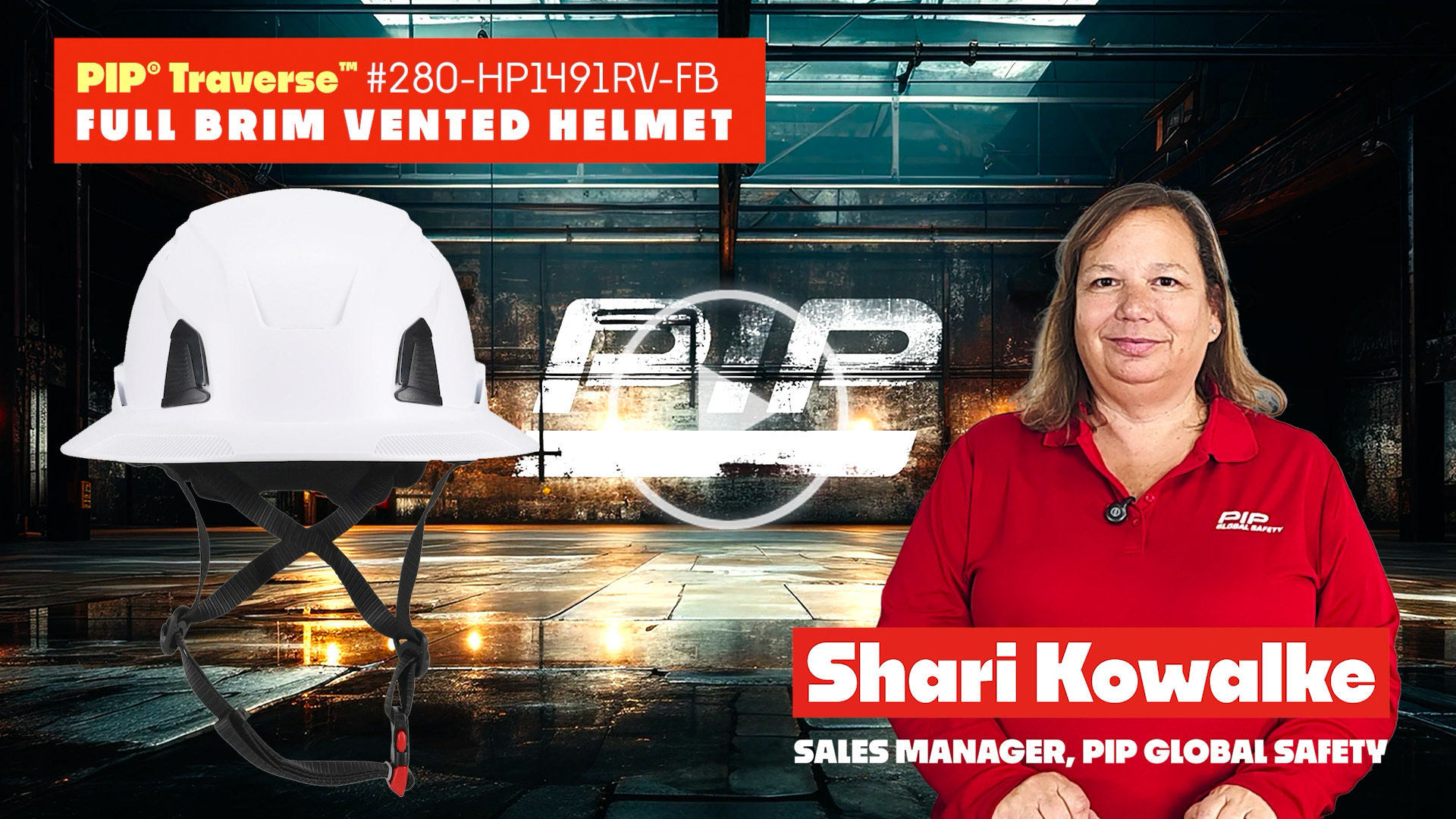
Climbing-style safety helmets, such as the PIP Traverse Industrial Climbing Helmet, are Type II rated with a chin strap, an ABS shell, an EPS foam impact liner, and an HDPE inner structure — giving workers protection from side and rear impacts, not just falls from directly overhead. These are increasingly the standard for linemen, arborists, tower climbers, and anyone working at height where a fall could cause the head to strike something from an angle rather than straight down.

MIPS Technology: Protecting Against Rotational Impact
One of the more significant advances now available at Safe-Fast is MIPS (Multi-directional Impact Protection System), built into the Securis line of safety helmets. Standard hard hat liners are excellent at absorbing a direct, linear impact — but most real-world falls and blows happen at an angle, which creates rotational force on the brain. MIPS adds a low-friction layer inside the helmet that allows a slight rotational slide on impact, redirecting some of that energy away from the head.
Securis offers this technology across a full range of grades and brim styles:
- Construction grade: SEC25-C (front-brim), SEC24-C (full-brim), and SEC23-C (micro-brim)
- Electrical grade (Class E): SEC25-E (front-brim), SEC24-E (full-brim), and SEC23-E (micro-brim)
Choosing between micro-brim, front-brim, and full-brim is mostly about sightlines and sun/rain coverage: micro-brim gives the widest peripheral and upward visibility for overhead work, while full-brim adds shade and rain runoff for outdoor crews who don't need to look straight up as often.
Electrical-Rated Helmets for Utility and Line Work
For crews working around energized equipment, an ANSI Class E rating isn't optional. Beyond the Securis electrical-grade helmets above, the Delta Plus ProGuard Vented Kit CU60RV is worth a look for logging and utility-adjacent work — it's a full system built with an HDPE vented shell, a ratcheting rotor adjustment, and integrated face and hearing protection in one kit, which cuts down on the number of separate components a worker has to don correctly every shift.
Lightweight Options for Everyday Jobsite Use
 Not every job calls for a full climbing helmet. For general construction, warehousing, and facility maintenance, a well-vented, ANSI Z89.1 Type I hard hat is often the right call — and it doesn't need to be expensive to be reliable. The Pyramex Ridgeline and SL Series lines cover this ground well:
- Ridgeline Hard Hat, Vented — cap-style, 4-point ratchet, top and rear vents
- Ridgeline Full Brim, Vented (HP541V) — added brim coverage for outdoor crews
- Ridgeline Pattern Full Brim and Ridgeline Pattern Hard Hat — same ABS shell and ratchet suspension in graphite pattern finishes
- SL Series Hard Hat — HDPE shell with side and rear rain troughs to channel moisture away from the face, at one of the lowest price points in the lineup
For workers regularly exposed to falls, ladders, or scaffolding rather than overhead impact risk, Portwest's Height Endurance line offers a purpose-built peakless design: the PS53 Height Endurance Hard Hat is compact and unvented for close-quarters climbing work, while the PS73 Height Endurance Mountaineer Hard Hat extends that same low-profile, at-height design across orange, white, and yellow options.
Ergodyne also brings its Skullerz line into the Class C space with the Skullerz 8975 Safety Helmet, a Type I helmet with a 6-point suspension and adjustable venting aimed at reducing weight and heat buildup during long shifts.
Don't Overlook Accessories and Add-Ons
 A hard hat is only as protective as the system built around it. Safe-Fast's accessory lineup lets crews adapt a single shell to multiple hazards instead of buying a separate helmet for every task:
- Face shield adapters — the Pyramex Full Brim Aluminum Hard Hat Face Shield Adapter and the Aluminum Cap Style Adapter (rated to ANSI/ISEA Z87.1 for the face shield itself) let a hard hat accept a face shield for grinding, cutting, or chemical splash tasks without switching headgear entirely
- Headlamps — the Securis LED Front Mounted Light Headlamp (SEC-A-50) mounts directly to a compatible helmet for hands-free lighting in low-visibility areas
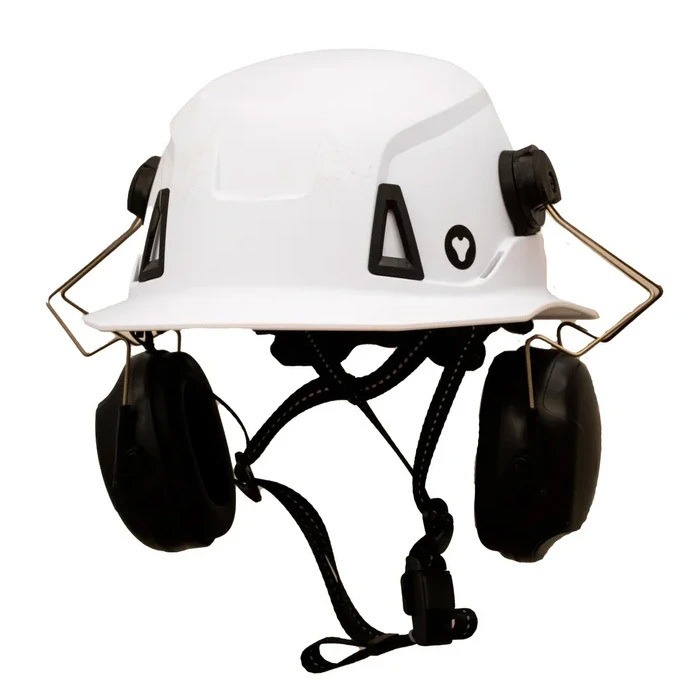
- Hearing protection muffs — the Securis SEC-A-02 (full brim) and SEC-A-01 (micro/front brim) quick-connect muffs attach directly to a helmet's brim slots, combining hearing and head protection into a single fitted system
Brim adapters are a detail worth double-checking before ordering: not every hard hat shell accepts the same adapter style, so it's worth confirming compatibility between the base helmet and any accessory before outfitting a whole crew.
Building the Right Program, Not Just Buying a Hat
The right head protection program usually isn't one product — it's matching the Z89.1 Type, electrical Class, and accessory needs to each role on site: a Class E, Type II MIPS helmet for a lineman working aloft; a lightweight, vented Type I hard hat for a warehouse crew; a peakless, height-focused shell for a climber. Getting that match right, and keeping accessories compatible with the base helmet, is what actually reduces injuries — not just checking a PPE box.
Browse the full lineup of hard hats and safety helmets at Safe-Fast, or reach out to their team at 1-800-723-3620 for help matching helmets and accessories to your crew's specific hazards.
Recent Posts
-
A Guide to Hard Hats, Safety Helmets, and Accessories
Keeping Workers Safer: A Guide to Hard Hats, Safety Helmets, and Accessories Head injuries remain on …09.21.26 -
Hi Vis Rain Gear: Staying Safe, Dry, and Seen on the Job
High Visibility Rain Gear: Staying Safe, Dry, and Seen on the Job Rain doesn't pause a job site... i …08.21.26 -
Traffic Work Zone Equipment: Cones, Signs & Barriers for Safer Roadways
Traffic Work Zone Equipment: Cones, Signs & Barriers Roadway work zones rank among the most hazardou …07.23.26